Every manufacturing executive has sat through an “Industry 4.0” pitch that promised transformation and delivered a dashboard nobody uses. That fatigue is earned. A lot of digital transformation spending in composites manufacturing has been bolted onto processes that were never digitized at the source. You can’t get a meaningful digital thread from a shop floor where operators are still working off paper travelers and physical templates and manually re-entering what they did into an MES after the fact.
That’s the uncomfortable truth behind a lot of failed automation investment: the data was never trustworthy to begin with, because it was captured by hand, after the fact, by someone incentivized to keep moving. Garbage in, dashboard theater out.
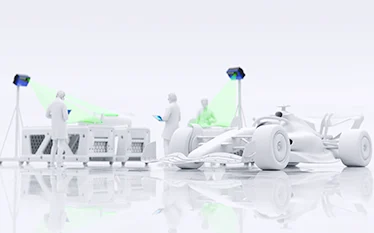
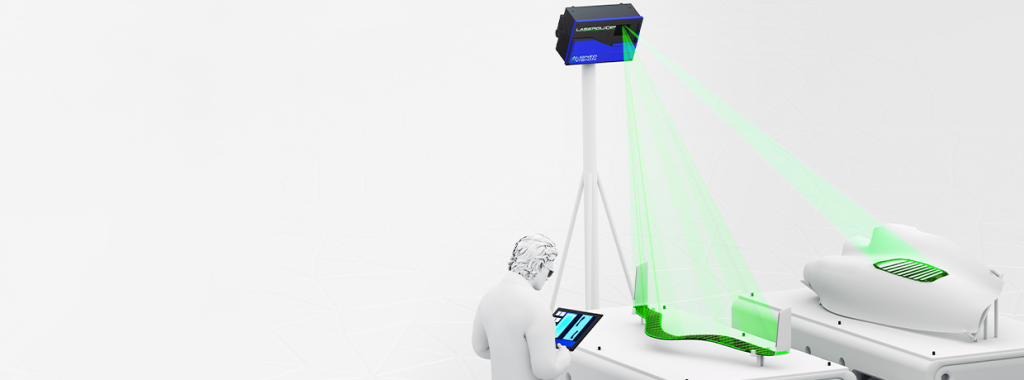
The fix isn’t another software layer. It’s digitizing the actual work (the layup, the inspection, the verification) so production data is captured automatically as a byproduct of doing the job correctly, not as a separate paperwork step competing with the job. When ply placement is laser-guided directly from CAD/CAM data and each step is automatically logged, you get a genuine as-built digital twin: as-designed, as-planned, and as-built data in one place, without anyone stopping to fill out a form. When inspection is AI-driven and image-based, every part gets a real inspection record instead of a checkbox.
That’s the difference between a digital transformation initiative that produces a report your COO reads once and one that changes how the business runs. A trustworthy digital twin means real root-cause analysis when a program has a quality problem, real traceability when a customer audits you, and real data when you’re deciding where your next capital dollar actually needs to go, instead of guessing based on whichever manager complains loudest.
If your last transformation initiative stalled, it’s worth asking whether the problem was the software or whether you tried to build a digital thread on top of an analog shop floor. Fixing the second problem is less exciting to announce, and it’s the one that actually pays back.